How Many People Have Been Helped by Art Therapy
Sometimes, when a person is in recovery from a substance utilise disorder, living with feet or depression, or working to heal from trauma, words aren't enough. Oftentimes, there are emotions felt that are strong and pervasive yet seem to remain out of reach for a person trying to verbalize them. This may happen considering there is such a mixture of feelings that they tin can't be separated into specific, rigid categories. Furthermore, people are usually able to feel a range of unlike emotions at the same time. For example, there tin be moments of happiness, even when someone is feeling very depressed. There can be moments of peace, fifty-fifty while someone nevertheless feels overwhelmingly broken-hearted.
Feelings tin can often defy words. This is one of the shortcomings of talk therapy. How does one hash out emotional states with a therapist when they tin't fifty-fifty sort out the emotions in their head? Fortunately, there is a growing form of treatment backed by scientific evidence that can limited these emotions and become out feelings that might otherwise exist trapped in a person's head. This expressive treatment is called art therapy.
What Is Art Therapy and Its Importance?
When someone thinks of art therapy, the thought might invoke images of scribbling on a slice of newspaper or, for the more artistically inclined, drawing objects or landscapes. It is true that this can be a role of art therapy, merely there is so much more than to it. In reality, art therapy encompasses all forms of art media and can be used in the treatment procedure of people hurting from any form of mental illness to help restore body and spirit. This tin can be used at whatever point in one'southward treatment, and at any age.
Co-ordinate to the American Fine art Therapy Association, art therapy integrates mental health therapies with man services to assist bolster people's experiences through art, creativity, applied psychological therapy, and man experience. More than merely, art therapy can be an private treatment or used with more than one person in a grouping together, and science suggests that it can reshape our brain and alter our thoughts in a more positive, balanced way.
What entails is that art therapy is much more expansive than just drawing. In fact, there are no ready rules to what defines fine art therapy, only the overarching theme is that it will express creativity. Verse, singing, dancing, knitting, doodling, painting, and (for the more mathematically inclined) expressing emotions through numbers or solving equations.
What fine art therapy is not is something that has strict rules. When someone was immature, they may have been told that coloring within the lines was a sign of growth, that maturity meant construction. Unfortunately, this was often bad communication, and not only express the creative side of the brain but may have worked to turn people off to the artistic process. Fine art therapy works to undo this thinking and open up all sorts of possibilities. It is non uncommon for someone who is scared of, or thinks that they are actually bad at art, to realize its healing power once the right materials are given to them for expression.
Art therapy is important because it helps recovery. Unfortunately, many people in the general public think art therapy is a secondary form of therapy, or something that is done without whatever real substantial gains backside information technology. It is fortunate that professionals know better, and that fine art therapy is far from a secondary form of healing simply, instead, something that is a principal source of treatment.
Art Therapy is a Scientifically Recognized Course of Therapy
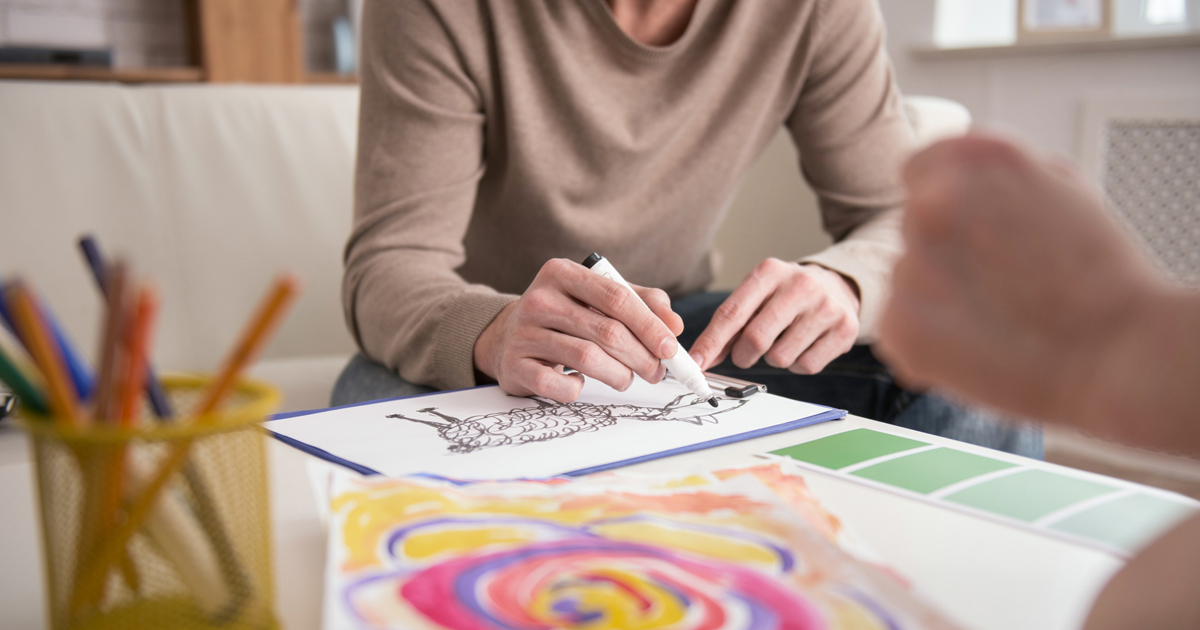
Art therapy is not facilitated by only anyone. Information technology is overseen past professionals who have been trained in or specialize in this blazon of therapy. At that place are existent psychological benefits to it and that is why and then many trained, scientifically-aligned people are embracing it. Information technology has been shown to involve pathways in the brain that are part of sensory functions and motor skills. Specific parts of the brain involved in major functions of the body are improved by this type of therapy. Information technology has as well been shown to amend self-esteem, build confidence, and promote alter in means of thinking, all to improve one's well-being, and information technology tin continue to help in non only the recovery of people with substance use disorders but also provide skills that can help them face the world, and exist utilized through the rest of their lives.
An art therapist is a master-level professional clinician who guides people through the healing process. At that place is thorough grooming for people providing this sort of therapy, and therapists adhere to the highest upstanding standards.
Scientific studies suggest that creative expression through art therapy can help people dealing with anxiety, low, and fifty-fifty more than serious diseases like cancer. Information technology can assist with improving retentiveness in people of all ages, from the young to the elderly, who may especially need aid in this area.
Art therapy is so intriguing because information technology can promote a reflection in an private that might otherwise be too painful to confront, or help to shape the very feelings that someone in therapy didn't fifty-fifty know they had bottled up inside them. Information technology tin can promote resilience emotionally and may reduce the effects of trauma that weighs a person down. It can possibly ease the withdrawal of someone in recovery from a substance abuse disorder. It may assist someone put the strong emotions from the treatment of PTSD into the creative process.
What are the Benefits of Art Therapy?
Art therapy tin can be so benign to someone in need of restoring residue in mind and body because it can assist them empathize what is going on with their mental country and wait deeper into their thoughts and actions. It tin work to bring a person into the here and now, forcing them to face the present moment even when escaping sounds like a more palatable solution. Honestly, digging deep into one'due south mind can be hard (and sometimes painful). Art therapy may help people put into context the feelings afflicting parts of their encephalon that are otherwise difficult to access. People often hold their feelings in and keep them and then guarded that it'due south hard to sort everything out. Still, unprocessed emotions still hurt us, and finding a way to go them out through expression can help us cope with such feelings.
One of the foremost benefits of art therapy is that it can aid people learn to heal. This healing may happen in many steps, although in that location is no set up order or way to experience these benefits, and everyone's journey is unique. This therapy tin assist someone regulate their emotions, and they tin take these skills with them for the rest of their lives.
How to Brainstorm Art Therapy
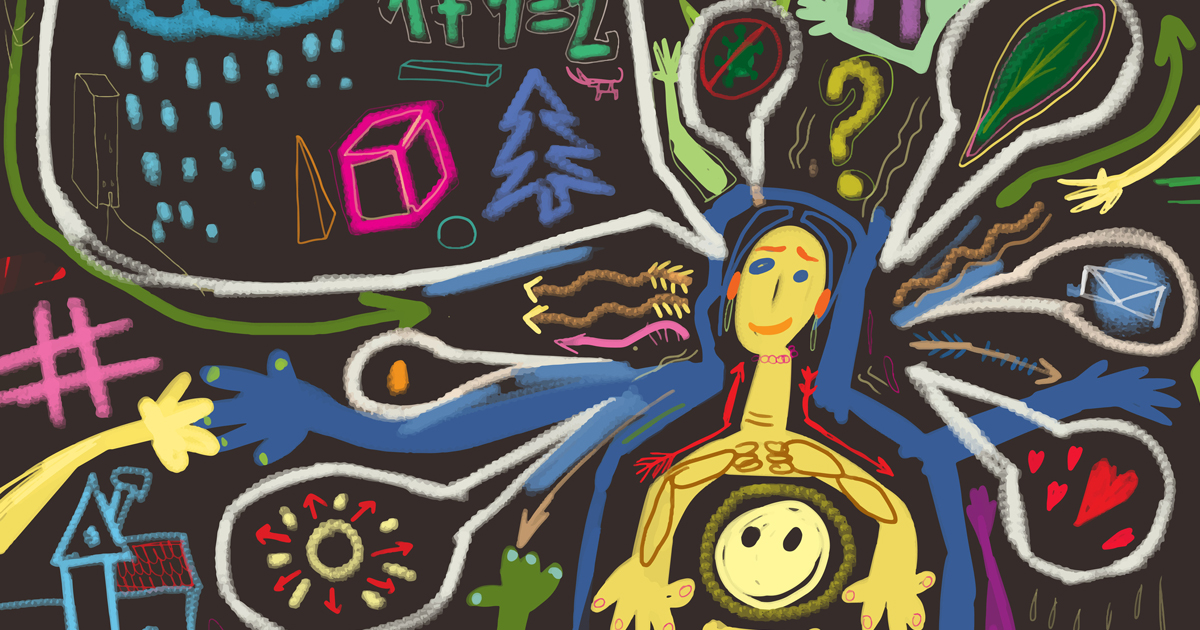
I thing treatment professionals hear all the time from someone beingness introduced to art therapy is the merits that they are "bad at art". The truth is, there are no rules for art and no one place for y'all to start, so at that place is no such matter equally being "bad" at it. Your professional therapist will provide you the materials you need to beginning your expressions, and they can then aid guide you every bit necessary with suggestions and encouragement. Therapy may start with something equally simple as drawing a circle on a piece of paper. A person oftentimes finds that they tin take it from there and the emotions and expressions start flowing.
Materials such as pigment brushes, yarn, glitter, or anything else can be used in the expression. Music can exist incorporated. Beautiful things come from fine art therapy, no matter what one starts with. Talent has nothing to practise with it, and people find they are drawn to things they never knew they would exist fatigued to.
Where Does Art Therapy Have Identify?
Art therapy takes identify in any setting where people are in demand of mental healing. Art therapists are trained to work beyond all cultures. Information technology tin can reflect the values and spiritual behavior of any private.
Some of the places you may find fine art therapy being utilized include:
- Neuroscience Centers
- Facilities For People Recovering from Substance Corruption Disorders
- Psychiatric Centers
- Community Centers
- Senior Centers
- Chief, Simple, and Secondary Schools
- Colleges and Universities
- Centers Specializing in Healing from PTSD
- Facilities Specializing in Depression and Anxiety Disorders
- Hospitals
- Homeless Shelters
- Private Therapy Offices
- Women's Centers
- Grouping Homes
- Fine art Studios
Who is Right for Art Therapy?
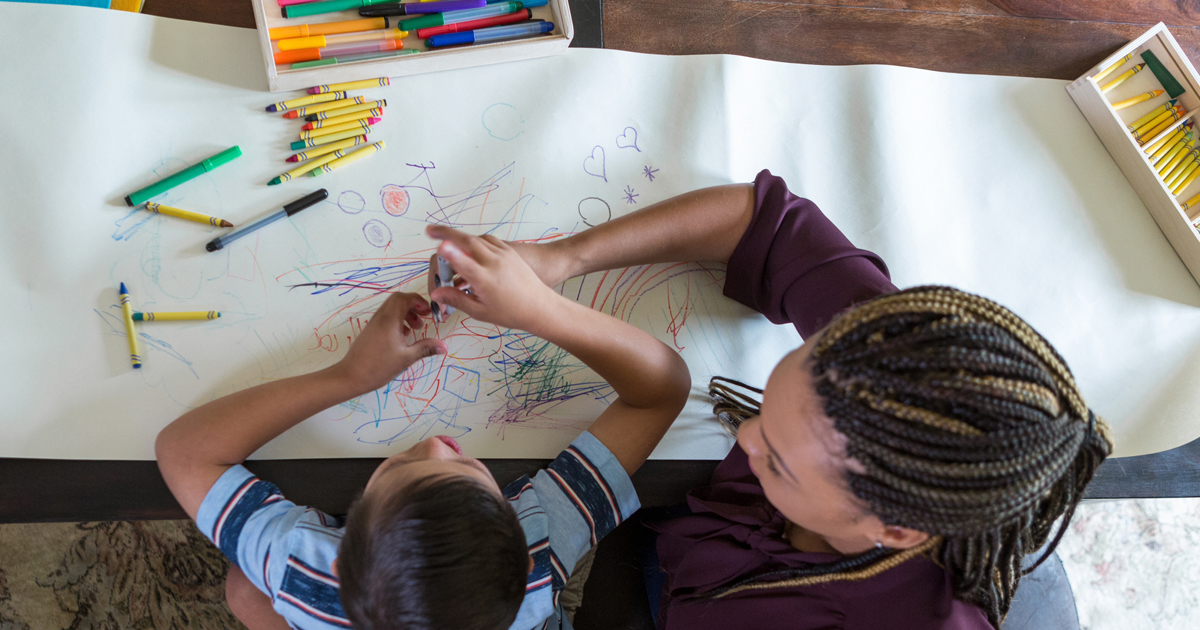
Art therapy is beneficial to people of all ages. That said, common groups include:
Children
Children are especially drawn to the creative process. Something near the human being experience can be divers past art, and children utilize this creative process uninhibited by self-dubiousness. Using artistic expression to convey emotion is not only beneficial to the patient considering they can express themselves in ways they may not be mature enough to express in words, simply information technology besides helps the therapist to see in new ways what the child is feeling, thus aiding in their treatment. In other words, a child tin often tell a therapist things through their art that they may have no other manner of expressing.
Teenagers
Art therapy is beneficial to teenagers considering, by this age, they accept probable learned to exist guarded with their emotions. Equally we get older, we realize that expressing ourselves through words tin be very painful, and sometimes teenagers have the inclination to close these emotions off instead of reflecting on them and letting them out. Teenager's brains are still developing, and this may hateful they are more prone to the benefits of art therapy, such equally stress relief or recovering from trauma.
Adults
Many people who experience art therapy for the first fourth dimension are surprised at the way information technology opens them up to new forms of treatment. Art therapy, equally nosotros take mentioned higher up, may actually physically alter the brain into a more positive manner open to healing. Creation and art have been with humans for as long as nosotros have been around, every bit demonstrated by cave paintings from thousands of years agone. At that place is a reason that art has stuck with united states through the millennia, and it certainly helped humans survive through all that time because of the many psychological benefits.
Unfortunately, adults are the population most likely to dismiss fine art therapy. They may even think of it every bit juvenile or silly. However, anyone who has tried art therapy will probable tell you that none of that is true.
Seniors
Fine art therapy may likewise help elderly patients ward off cognitive decline. Licensed medical professionals employ this technique, often to great success. Parts of the brain that deal with retention are affected by art therapy in very positive ways, and studies on the link betwixt art and memory are ongoing to this day.
How Long Does Fine art Therapy Have to Be Effective?
There is no set up fourth dimension for art therapy to be constructive. It does, withal, provide a means to express oneself creatively that can benefit that individual throughout their lifetime. In that location is some evidence that suggests that benefits may actually start to begin after most 8 weeks, although various clinicians believe that any amount can accept benefits and have never found this therapy to have negative effects. The all-time part for a patient to explore the effectiveness of fine art therapy is to simply give information technology a try with a licensed professional.
Art Therapy and Healing
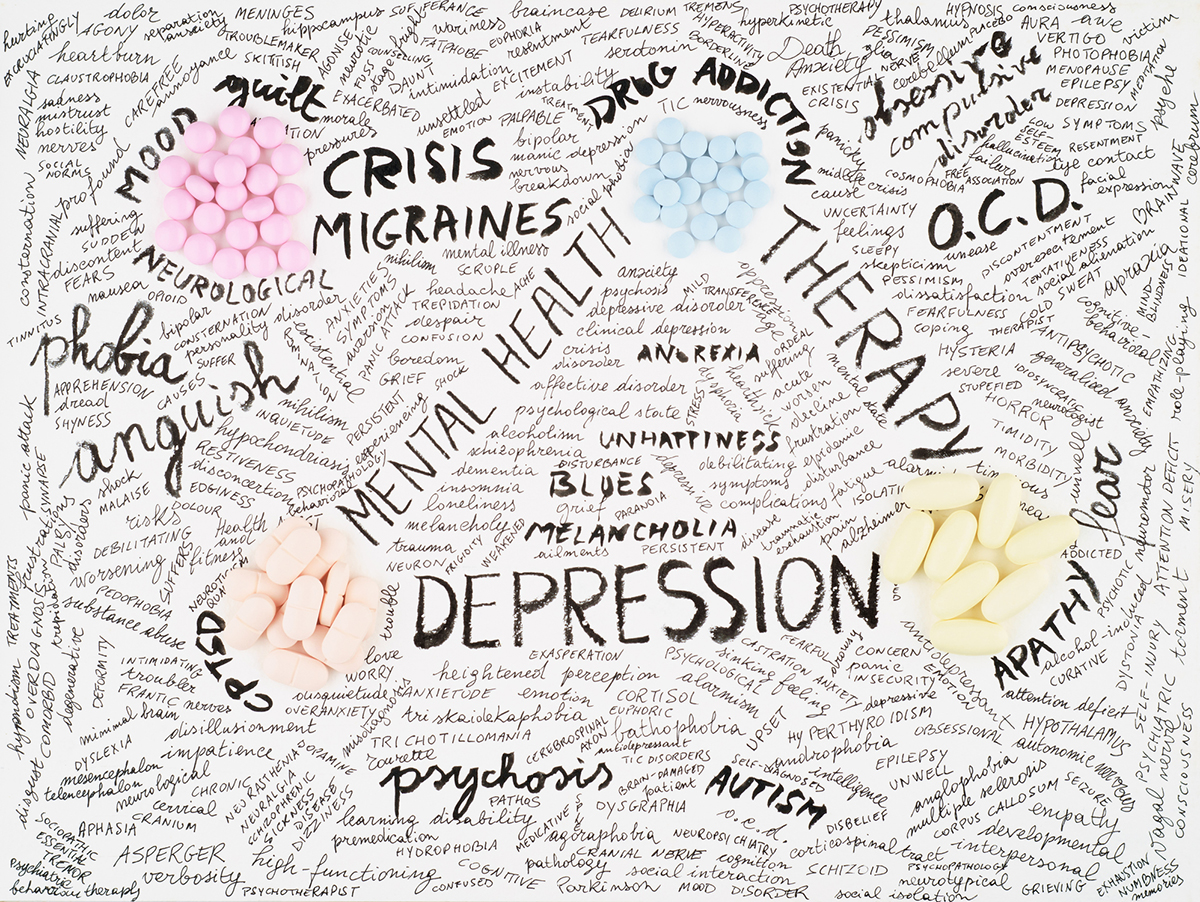
Art Therapy is just one of the many types of therapy we utilize at Sage Neuroscience to help one through their healing process. Whether you are a person recovering from a substance abuse disorder, are seeking treatment for depression or anxiety, or are working through your past trauma, Sage Neuroscience uses treatments that facilitate your recovery through creative expression.
If you are seeking treatment, please practise not hesitate to contact Sage Neuroscience. Nosotros believe in treating your unique mental and physical health needs with the goal of helping you find balance in your body, mind and soul.

Therapist & Behavioral Health Intensive Outpatient Programme Facilitator
Dierdre Wilson previously worked for Sage equally an EMDR therapist (Eye Movement Desensitization Reprocessing) and BHIOP facilitator.
0 Response to "How Many People Have Been Helped by Art Therapy"
Post a Comment